

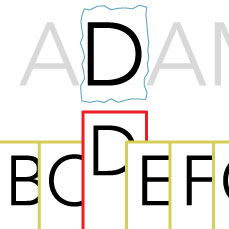
Optical Character Recognition
Optical Character Recognition (OCR for short) is the overall conversion of typed or printed text into digital data. OCR can recognize text from a variety of sources; scanned documents, a photo of a document, text in a photograph, or text overlaid on a photo (such a caption). OCR works via a method called “pattern matching” where each letter appearing in an image or document is analyzed against a stored library of glyphs to determine what letter it is. Once a match is made the OCR engine can then convert the image to machine-readable data.
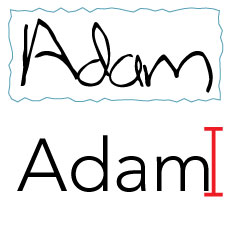
Intelligent Character Recognition
Intelligent Character Recognition (ICR for short) is also known as “advanced OCR” in that it can accurately analyze and convert hand-written text to machine-readable data. This gives it advantages over OCR because it is not limited to printed documents or certain fonts – in fact, its engines are constantly learning to recognize new handwriting patterns to improve its overall accuracy.
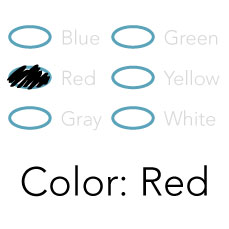
Optical Mark Recognition
Optical Mark Recognition (OMR for short) is used as a method to interpret non-text markings on a document as data. These markings can be supplied as answers to a test, votes on a ballot, or responses to a survey. The ability to recognize markings is useful for enterprises as it allows them to limit the number or type of response to a specific element of data, such as a yes/no question on an application. Once recognized, these markings can be fed into the processing system as useful business data.

Intelligent Document Recognition
Curious to learn how OCR, ICR, OMR, and IDR can help your business? Contact PaperFree to learn more today!
PaperFree is happy to discuss how this solution and others can can improve your company's information capture and management workflow.
1-888-726-7730
contact@paperfreecorp.com
380 S Melrose Dr
Vista, CA 92081
United States